Discover the crucial import declaration, site supervision, sensory, and chemical testing processes that ensure the quality and safety of imported wines.

I. Importance of the Import Declaration Link
(1) Declaration of commodity identity information
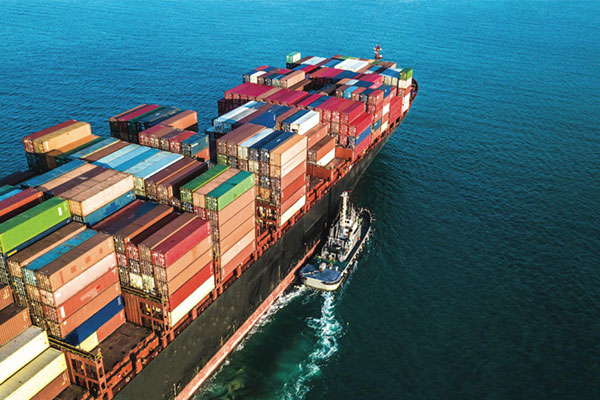
During the transportation of wine from the country of origin to the bonded area, the importer or its agent needs to declare the basic information of the wine to the customs one by one, including product name, country of origin, specifications, quantity/weight, total value, and production date. This step ensures the traceability of imported goods at the customs.
(2) Ensuring the authenticity of wine information
Transparent declaration not only helps the customs department accurately classify and tax imported goods but also ensures the authenticity and accuracy of commodity information, laying the foundation for subsequent inspections and supervision.
II. On-site Supervision: The First Round of "Health Check"
(1) On - site inspection
After the wine arrives at the bonded area, customs officers will conduct an on-site "inspection" based on system instructions, including verifying the consistency between the goods and documents, checking product packaging, confirming quantity/weight, and inspecting for any damage, moisture, or mold.
(2) Random sampling
During the on - site inspection process, some wines will be randomly sampled and sent to the laboratory for more detailed testing.
III. Precision and Necessity of Sensory Inspection
(1) Tasting of color, aroma and taste
In the comprehensive testing laboratory in the bonded area, technicians will use a variety of senses (such as eyes, hands, nose, tongue) to conduct a detailed tasting of the wine, including an assessment of its color, aroma and taste.
(2) Quality confirmation
Through sensory testing, professionals can confirm the quality of the wine and ensure that it meets the standards of the importing country and the expectations of consumers.
IV. Scientificity and Accuracy of Physical and Chemical Testing
(1) Routine item testing
Physical and chemical testing usually includes the testing of sorbic acid, ochratoxin A, sulfur dioxide, lead, etc., to ensure the chemical safety of the wine.
(2) Application of high - tech instruments
For example, through a stable isotope ratio mass spectrometer and a nuclear magnetic resonance spectrometer, testers can accurately determine the carbon isotope ratio and hydrogen isotope of ethanol in the wine, thus tracing the place of origin of the wine. A thermal ionization mass spectrometer can determine the stable isotope ratio of heavy metal elements in the wine, providing a scientific basis for authenticity verification.
This series of testing processes, covering from preliminary information declaration to precise laboratory analysis, combines modern technology and traditional tasting methods to ensure the quality and safety of the wine.
The above content is sourced from the customs release. Zhong Shen As a one-stop import Export Agency service provider, we can offer customized Import/export solutions for various industries. If you require Foreign trade import-export agency services, please contact us for business consultation. Hotline: 139-1787-2118.
Recommended for You